深度解析Spring Cloud @RefreshScope的动态刷新机制
Spring Cloud中的动态刷新机制深度解析
在深入探讨RefreshScope之前,我们首先需要理解Spring框架中Scope的核心概念。
Scope机制基础
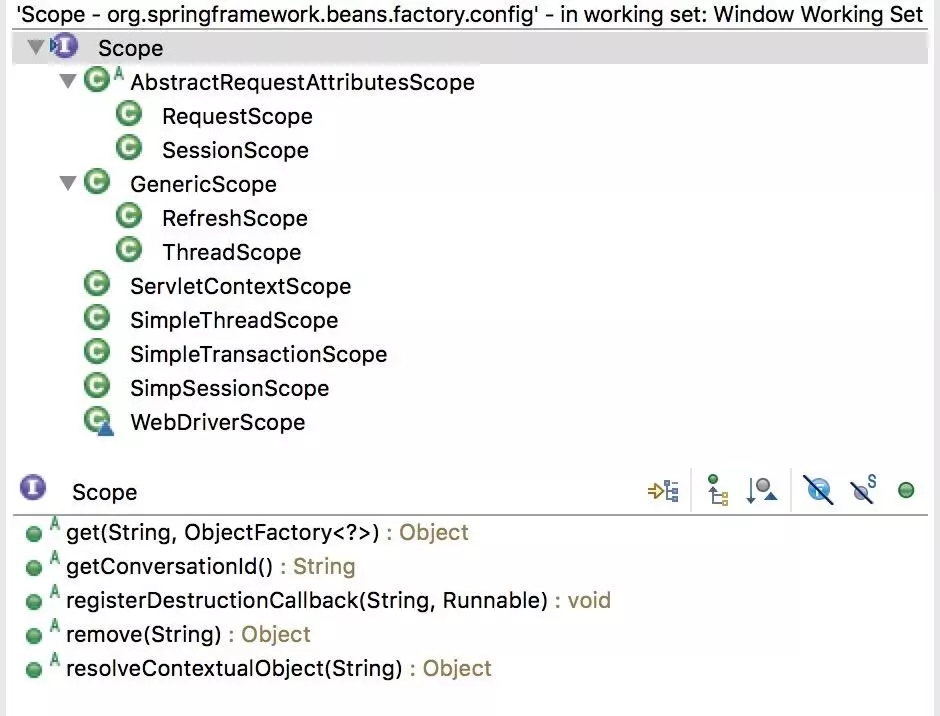
Scope(位于org.springframework.beans.factory.config.Scope包下)是Spring
2.0版本引入的基础架构概念。而RefreshScope(位于org.springframework.cloud.context.scope.refresh包下)则是Spring
Cloud提供的一种特殊Scope实现,专门用于实现配置信息和Bean实例的热更新功能。
从继承关系来看:Scope ← GenericScope ← RefreshScope
Scope与Spring容器的生命周期交互
在AbstractBeanFactory的doGetBean方法中创建Bean实例时:
protected <T> T doGetBean(...) {
    final RootBeanDefinition mbd = ...
    if (mbd.isSingleton()) {
        // 单例模式处理
    } else if (mbd.isPrototype()) {
        // 原型模式处理
    } else {
        String scopeName = mbd.getScope();
        final Scope scope = this.scopes.get(scopeName);
        // 委托给具体的Scope实现创建实例
        Object scopedInstance = scope.get(beanName, new ObjectFactory<Object>() {...
        });
        ...
    }
    ...
}
值得注意的是,Singleton和Prototype是Spring内置的两种作用域,并非Scope接口的实现类。Scope接口实际上是为自定义作用域扩展而设计的——例如SessionScope从HTTP会话中获取实例,ThreadScope从线程本地存储中获取,而RefreshScope则从内置缓存中管理实例。
@RefreshScope注解的本质
@RefreshScope实际上是@Scope注解的一个特化版本,其scopeName属性值为”refresh”:
@Scope("refresh")
public @interface RefreshScope {
    // 注解定义
}
当Spring处理@Scope注解时,通过AnnotationScopeMetadataResolver解析作用域元数据:
public ScopeMetadata resolveScopeMetadata(BeanDefinition definition) {
    AnnotationAttributes attributes = AnnotationConfigUtils.attributesFor(
            annDef.getMetadata(), Scope.class);
    if (attributes != null) {
        metadata.setScopeName(attributes.getString("value")); // 这里获取"refresh"
        // 设置代理模式等配置
    }
}
Scope实例通常通过ScopedProxyFactoryBean创建,该工厂利用AOP技术使Bean实现ScopedObject接口(此处细节不再展开)。
RefreshScope的动态刷新机制
RefreshScope的自动注册
通过RefreshAutoConfiguration中的内部配置类完成注册:
@Component
@ConditionalOnMissingBean(RefreshScope.class)
protected static class RefreshScopeConfiguration
        implements BeanDefinitionRegistryPostProcessor {
    public void postProcessBeanDefinitionRegistry(
            BeanDefinitionRegistry registry) throws BeansException {
        // 注册名为"refreshScope"的Bean定义
        registry.registerBeanDefinition("refreshScope",
                BeanDefinitionBuilder.genericBeanDefinition(RefreshScope.class)
                        .setRole(BeanDefinition.ROLE_INFRASTRUCTURE)
                        .getBeanDefinition());
    }
}
RefreshScope继承自GenericScope,大部分核心逻辑都在父类中实现。在GenericScope的postProcessBeanFactory方法中,它会向Spring容器注册自己:
public void postProcessBeanFactory(ConfigurableListableBeanFactory beanFactory) {
    beanFactory.registerScope(this.name, this); // 注册"refresh"作用域
    ...
}
配置刷新的完整流程
刷新过程的入口位于ContextRefresher#refresh方法:
public synchronized Set<String> refresh() {
    // 1. 提取当前环境配置(排除系统级参数)
    Map<String, Object> before = extractCurrentConfig();

    // 2. 重新加载配置文件到临时环境
    addConfigFilesToEnvironment();

    // 3. 提取更新后的配置
    Map<String, Object> after = extractUpdatedConfig();

    // 4. 识别发生变更的配置项
    Set<String> changedKeys = identifyChangedKeys(before, after);

    // 5. 发布环境变更事件
    publishEnvironmentChangeEvent(changedKeys);

    // 6. 刷新所有RefreshScope管理的Bean
    refreshAllScopedBeans();

    return changedKeys;
}
RefreshScope通过refreshAll方法触发Bean更新:
public void refreshAll() {
    super.destroy(); // 关键步骤:清理缓存并销毁旧实例
    this.context.publishEvent(new RefreshScopeRefreshedEvent());
}
在GenericScope的destroy方法中,具体执行以下操作:
- 清空RefreshScope内部的实例缓存
- 销毁所有缓存的BeanLifecycleWrapper包装对象
- 当下次请求这些Bean时,会重新从BeanFactory获取使用新配置创建的全新实例
Spring Cloud Bus的刷新触发机制
自动配置的刷新端点
BusAutoConfiguration中的配置类会发布一个RefreshBusEndpoint:
@Configuration
@ConditionalOnClass({Endpoint.class, RefreshScope.class})
protected static class BusRefreshConfiguration {
    @Bean
    @ConditionalOnBean(ContextRefresher.class)
    public RefreshBusEndpoint refreshBusEndpoint(ApplicationContext context) {
        return new RefreshBusEndpoint(context, bus.getId());
    }
}
RefreshBusEndpoint通过HTTP端点接收刷新请求,并广播RefreshRemoteApplicationEvent事件:
@Endpoint(id = "bus-refresh")
public class RefreshBusEndpoint extends AbstractBusEndpoint {
    public void busRefresh() {
        // 发布远程刷新事件
        publish(new RefreshRemoteApplicationEvent(this, getInstanceId(), null));
    }
}
事件的接收与处理
所有配置了Spring Cloud Bus的节点都会通过RefreshListener接收事件:
@Bean
public RefreshListener refreshListener(ContextRefresher contextRefresher) {
    return new RefreshListener(contextRefresher);
}

public class RefreshListener {
    public void onApplicationEvent(RefreshRemoteApplicationEvent event) {
        // 触发配置刷新流程
        Set<String> keys = contextRefresher.refresh();
    }
}
特殊场景:Eureka客户端的配置更新
对于Eureka客户端这类需要动态更新的服务,Spring Cloud提供了专门的配置:
@Configuration
@ConditionalOnRefreshScope
protected static class RefreshableEurekaClientConfiguration {

    @Bean
    @RefreshScope
    public EurekaClient eurekaClient(...) {
        return new CloudEurekaClient(manager, config, this.optionalArgs, this.context);
    }

    @Bean
    @RefreshScope
    public ApplicationInfoManager eurekaApplicationInfoManager(...) {
        return new ApplicationInfoManager(config, instanceInfo);
    }
}
通过@ConditionalOnRefreshScope条件注解和@RefreshScope注解的组合,确保了Eureka客户端相关Bean能够在配置变更时自动重建,从而使用最新的配置信息重新注册到Eureka服务器。
这种设计模式使得微服务架构中的配置管理变得更加灵活和高效,无需重启服务即可实现配置的动态生效。